- Jul 30, 2026
- Guide to Regions in Mauritius
- 466

Mauritius has the rare and unique characteristic of offering an incredible diversity of landscapes, microclimates, and lifestyles across a territory of just 2,040 square kilometers. Between turquoise lagoons, wild gorges, lush plateaus, and ultramodern smart cities, each region caters to very specific aspirations.
At Propertymauritius.com , our field experience leads us to repeat this to every prospective expatriate or investor: the choice of region will dictate 80% of your relocation's success. A retiree looking for a vibrant seaside atmosphere will not seek the same living environment as an active family with school-aged children or an investor targeting the highest seasonal rental yields.
This comprehensive 2026 comparative guide decodes the four major hubs of Mauritius to help you strategically position your real estate purchase or geographical location.
1. The North: Grand Bay, Péreybère, and Cap Malheureux (The seaside and cosmopolitan hub)
The North of the island, anchored by Grand Baie and its surrounding areas (Péreybère, Mont Choisy, Cap Malheureux), is historically the birthplace of European expatriation in Mauritius. It is the most lively region, equipped with a mature commercial and tourist infrastructure.
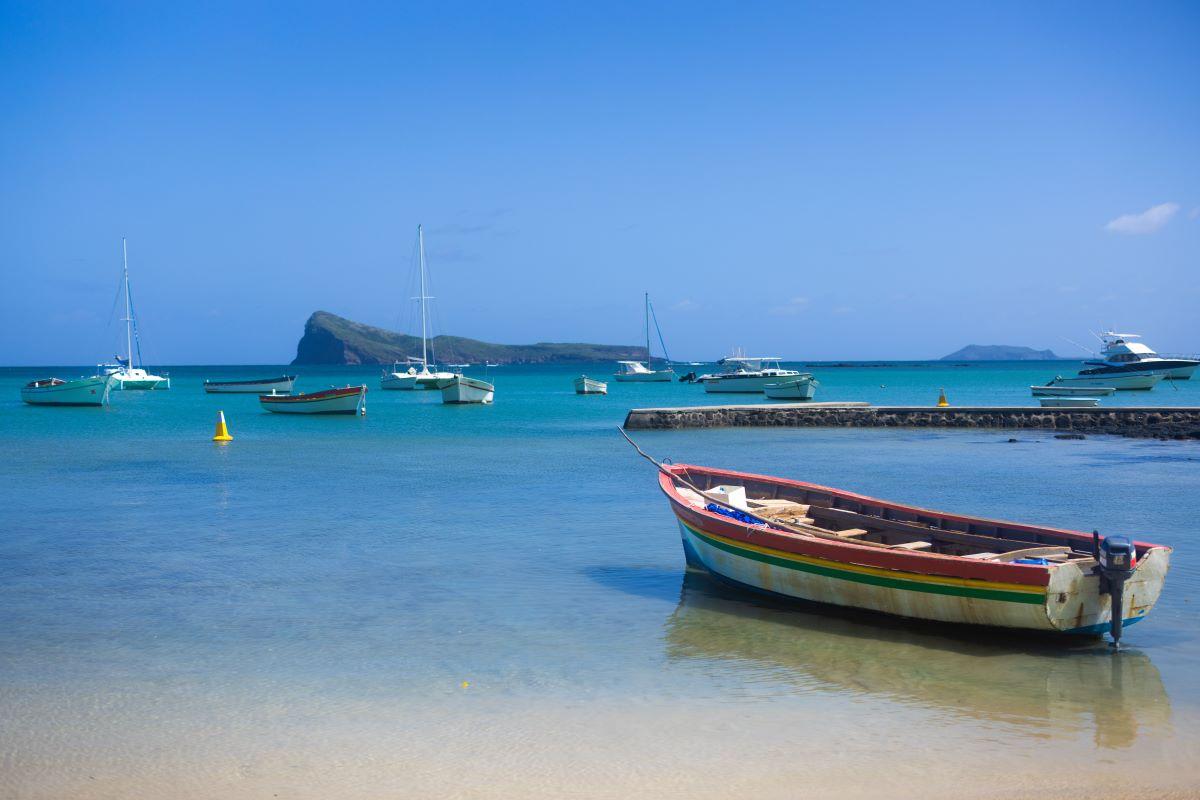
- The lifestyle: Dynamic, seaside, and social. People live a "resort" lifestyle year-round, right by the water, with immediate access to a multitude of restaurants, bars, beach clubs, and modern shopping malls (La Croisette, Mont Choisy Le Mall).
- Key infrastructure:
- Healthcare: North-East Clinic, international medical practices.
- Education: Reputed French and international schools nearby (Northfields International School, École du Nord).
- Leisure: Mont Choisy 18-hole championship golf course, marina, diving clubs, and water sports.
- Dominant real estate profile: High-end apartments in secure residences, penthouses with lagoon views, and prestige villas within PDS or Smart City developments (e.g., Mont Choisy Smart City).
- Rental yield indicator: Excellent (estimated between 6.5% and 9% net ) driven by steady year-round tourist and seasonal demand.
2. The West: Tamarin, Rivière Noire, and Flic en Flac (The sanctuary for nature and surf lovers)
Sheltered from the trade winds by the mountains, the West coast enjoys maximum sunshine and a dry climate almost all year round. From Tamarin to Rivière Noire , the atmosphere is more relaxed, sporty, and close to nature.
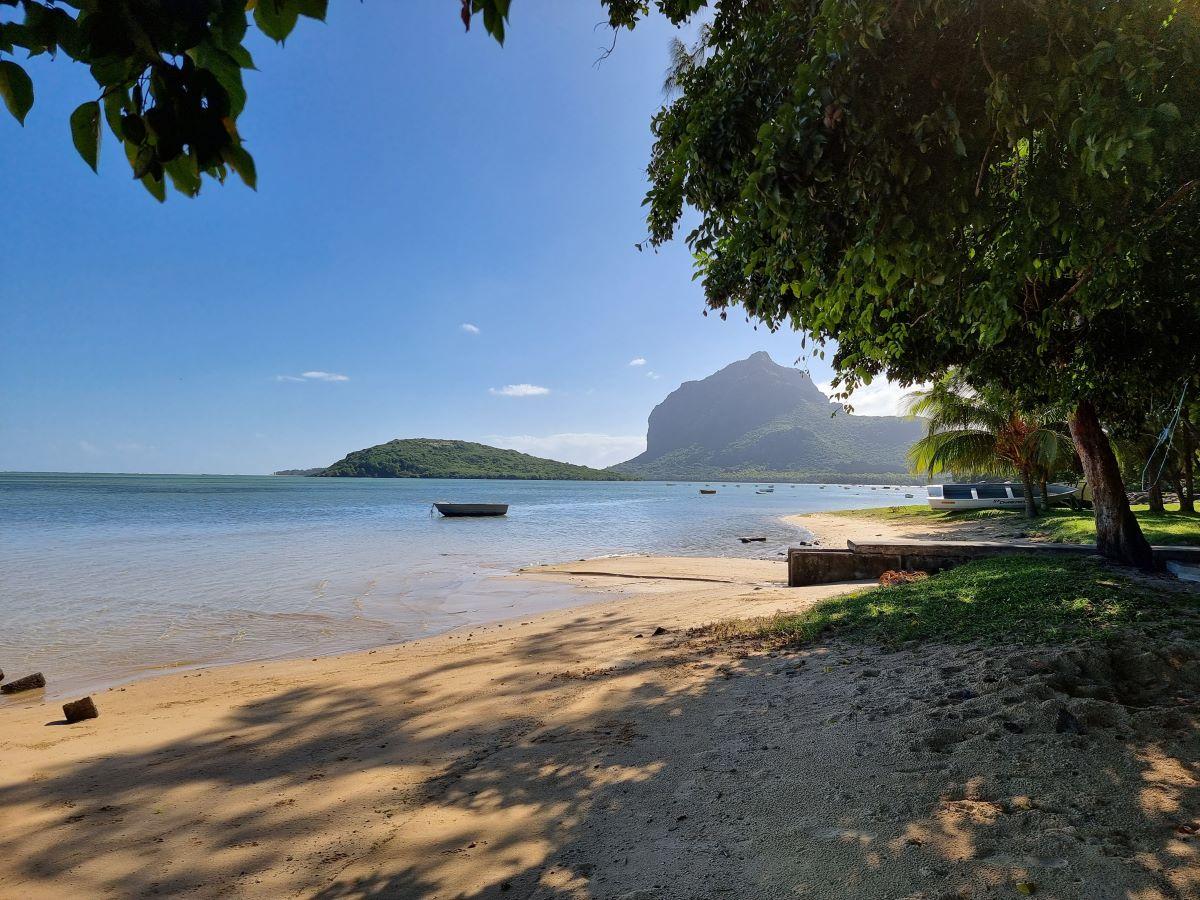
- The lifestyle: Resolutely outdoor-oriented. This is the ultimate hotspot for surfing, kitesurfing, deep-sea fishing, and hiking (Black River Gorges National Park). The community is tightly knit, driven by a "chic fishing village" atmosphere.
- Key infrastructure:
- Healthcare: Rivière Noire Clinic, local health hubs.
- Education: International and bilingual schools (Westcoast International Primary/Secondary School, Lycée Paulé Ka).
- Shopping: Coeur de Ville Tamarin, Ruisseau Créole (art boutiques, galleries, trendy restaurants).
- Dominant real estate profile: Luxurious beachfront villas, standing residences with panoramic views of the mountain range and lagoon, and integrated eco-friendly projects (Western Smart Cities).
- Rental yield indicator: Very high ( 6% to 8% net ), fueled by a pronounced land scarcity between sea and mountains that guarantees strong capital appreciation upon resale.
3. The Center & Smart Cities: Moka and the Central Plateau (The economic and residential heart)
Moving away from the coast to settle on the Central Plateau, particularly in Moka or the residential areas of Curepipe and Quatre Bornes, means choosing authentic Mauritian life combined with the modernity of planned Smart Cities .
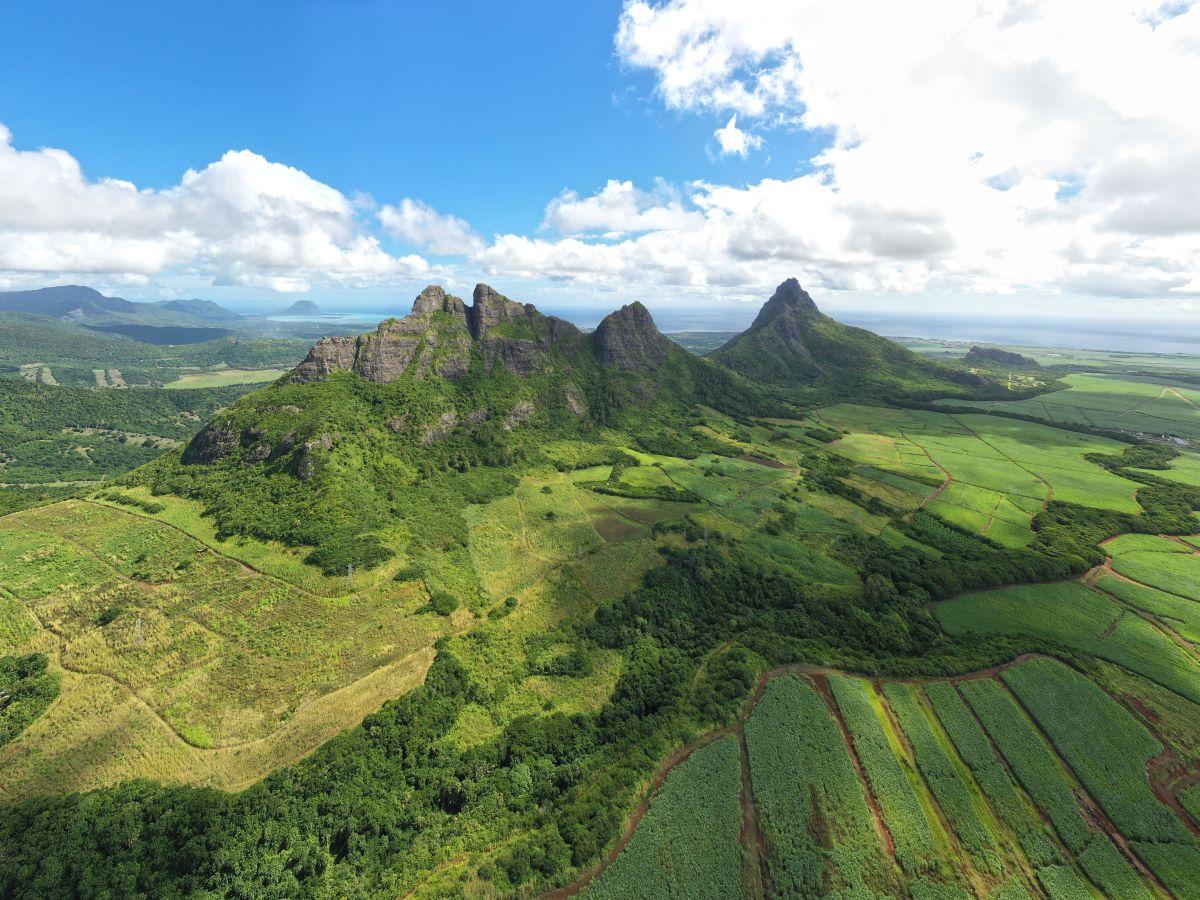
- The lifestyle: More temperate (the climate is cooler during the southern winter), Moka has become the true intellectual, administrative, and residential lung of the island. It is the preferred choice for families who prioritize everyday convenience over a purely seaside lifestyle.
- Key infrastructure:
- Education: The island's top international schools are located here (École du Centre / Lycée Labourdonnais in Mapou/Moka, Telfair Montessori, universities).
- Healthcare: Specialized clinics and reference hospitals.
- Business & Shopping: Tech hubs, coworking spaces, dynamic commercial zones (Bagatelle Mall, Telfair Smart City).
- Dominant real estate profile: Charming family homes, new urban apartment developments, and building plots within innovative smart cities.
- Rental Yield Indicator: Stable and sustainable ( 5% to 7% net ), primarily fueled by long-term rental demand from local upper management and professionals on assignment.
4. The East and the South: From Belle Mare to Mahébourg (Preserved authenticity and discreet luxury)
Less urbanized and wilder, the East coast (Belle Mare, Anse Bambou) and the South coast (Mahébourg, Souillac) cater to those seeking absolute calm, grand landscapes, and total immersion in Mauritian nature.
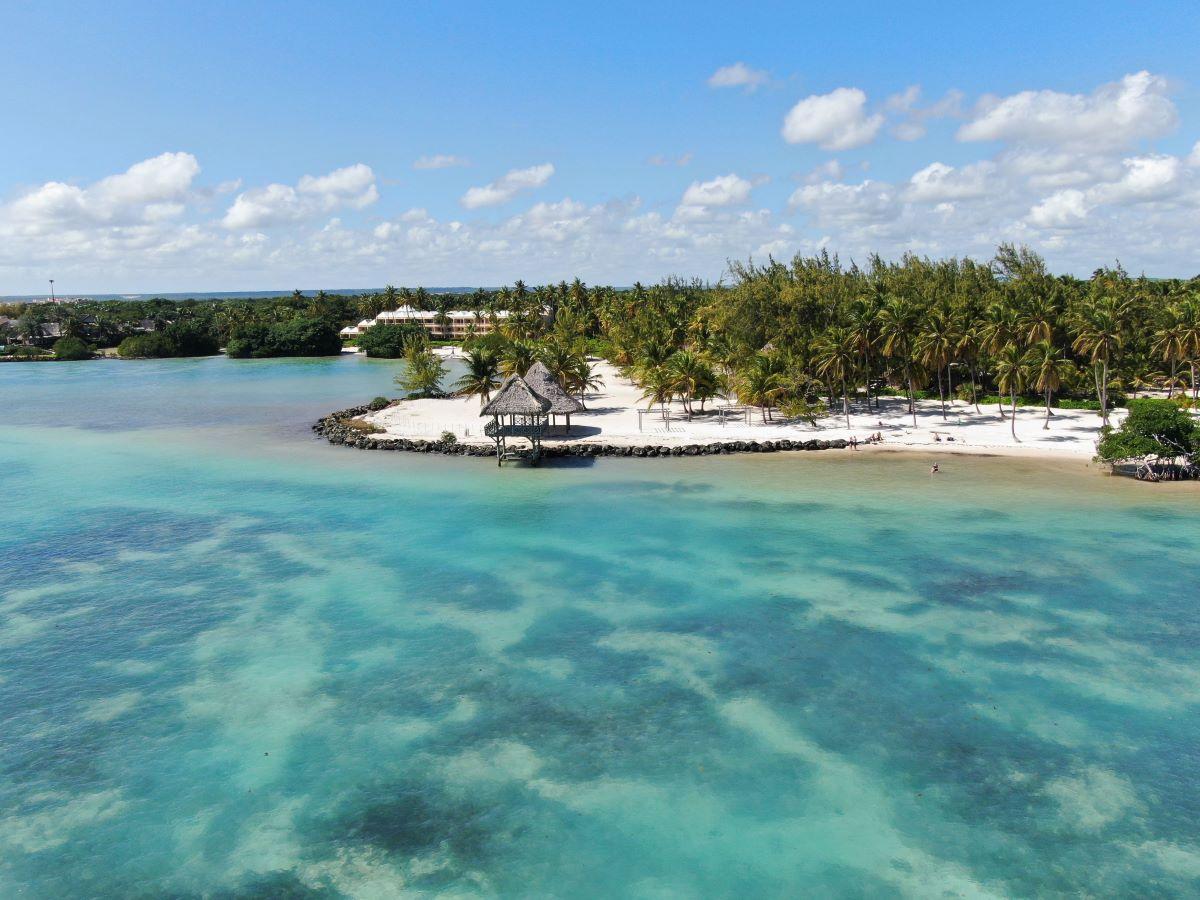
- The lifestyle: Preserved, authentic, and exclusive. This is the domain of ultra-luxury resorts (five-star beachfront palaces) and large gated residential estates offering incomparable peace and quiet.
- Key infrastructure:
- Accessibility: Immediate proximity to Sir Seewoosagur Ramangoolam International Airport (ideal for frequent travelers).
- Leisure: Championship golf courses (Anahita, Île aux Cerfs), nature reserves, wild southern cliffs.
- Dominant real estate profile: Exceptional properties, very high-end villas within integrated estates featuring golf courses and 5-star hotel services.
- Rental yield indicator: More niche-oriented, focused on high-end and ultra-luxurious seasonal rentals, with strong long-term capital appreciation potential due to the scarcity of development approvals.
5. Comparative table: Which region should you choose based on your profile?
Region / Hub | Main Atmosphere | Climate | Ideal Profile | Major Asset |
The North (Grand Baie) | Seaside, festive, and lively | Warm and sunny | Retirees, rental investors, epicures | Mature tourist infrastructure and nightlife |
The West (Tamarin) | Sporty, natural, and trendy | Very sunny, dry | Active families, surfers, lovers of wide-open spaces | Proximity to sea and mountains, surf spots |
The Center (Moka) | Urban, structured, and family-oriented | Cool and temperate | Families with school-aged children, professionals, digital nomads | Top-tier schools and business hubs |
The East / South | Wild, exclusive, and quiet | Windier (trade winds) | Lovers of peace, discreet luxury, and raw nature | Airport proximity, prestigious golf courses, raw nature |
6. Key figures and field data
- 70% of foreign investors make their first real estate purchase either in the North (for rental yields and immediate lifestyle) or the West (for the lifestyle and expat community).
- 375,000 USD : The minimum investment amount required, regardless of the chosen region, to access a permanent residence permit through an approved scheme (PDS, Smart City).
- 15 to 25 minutes : The average maximum travel time observed between key residential areas and reference clinics or international schools.
7. Frequently Asked Questions (FAQ) – Choosing your region in Mauritius
Does any region offer the best yield for seasonal rentals?
The North (Grand Baie, Péreybère) remains the best-performing and most liquid area for short-term tourist rentals, thanks to constant demand year-round and a dense business/activity basin.
Is it absolutely necessary to own a car to live in Mauritius?
Yes, in the vast majority of cases. With the exception of a few ultra-central neighborhoods in Moka or Grand Baie where everything can be done on foot, owning or renting a vehicle is essential to move comfortably between beaches, schools, and supermarkets.
Are French schools present in all regions?
No. The main schools and institutions accredited by agencies like the AEFE (such as Lycée Labourdonnais) are concentrated in the North (Mapou) and the Center (Moka). The West features excellent alternatives in English-speaking and bilingual international schools (Westcoast).
In Summary: Bring your project to life with Property Mauritius
Whether you choose the vibrancy of the North, the sporty serenity of the West, or the smart energy of the Center, every region of Mauritius has a story to offer you.
Still hesitating on the ideal sector to establish your future residence or investment? Contact the experts at Propertymauritius.com today : our intimate knowledge of the Mauritian terrain guarantees tailored support to find the property that suits you.
Popular Categories
Popular Posts